Crypto Scams and How to Stay Safe: A Beginner Guide


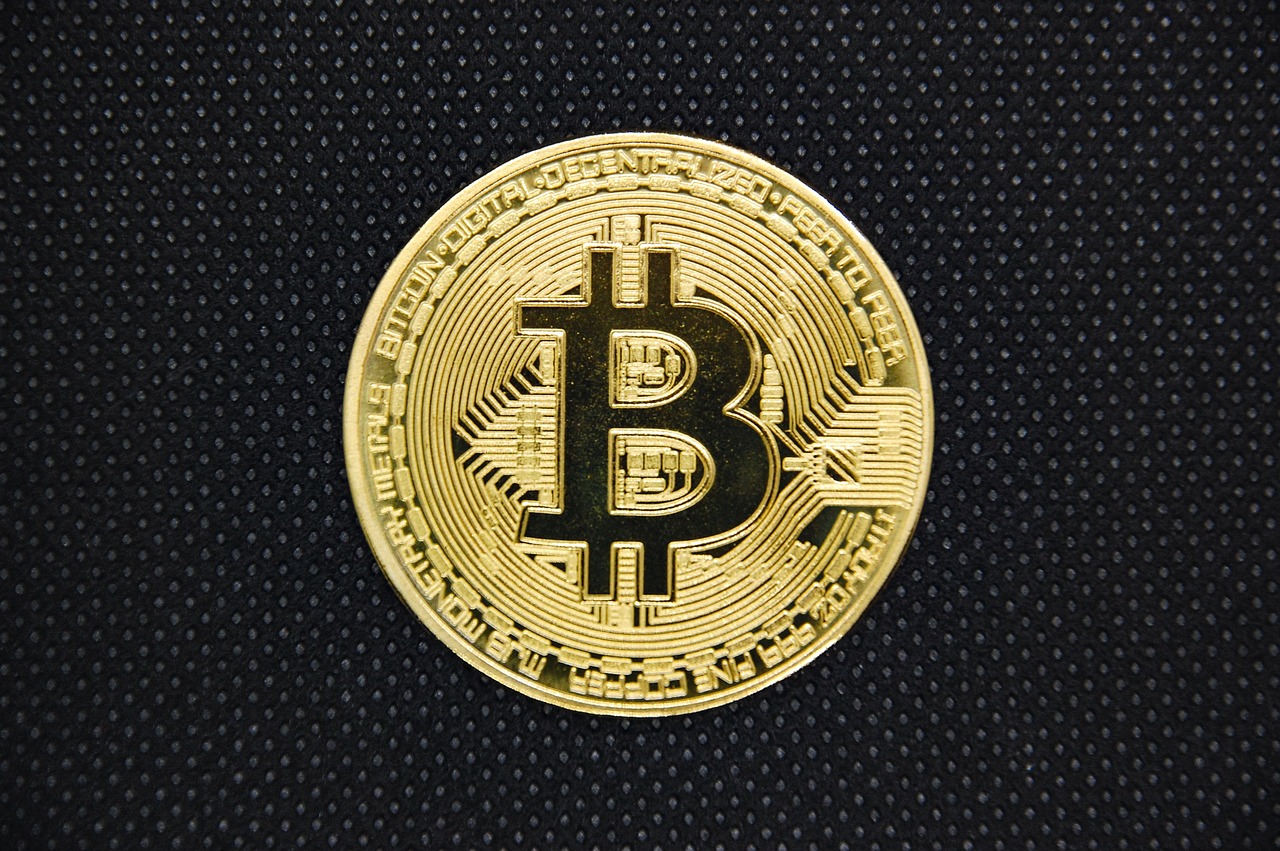

Crypto scams took over eight billion dollars from everyday people last year alone. You work hard for your money, and losing it to a fake website or a slick stranger feels awful. Knowing how these tricks work is the best way to keep your coins safe.
Crypto scammers do not hack complex code. They hack people. They use fear, excitement, and quick promises to make you send your money before you have time to think. Once your crypto leaves your account, no bank can grab it back for you.
How Crypto Scams Work and Why They Are Common
Traditional banks have fraud teams and safety nets. If someone steals your debit card, the bank can often block the transfer or refund your account. Crypto does not work like that. Every transfer is final, like dropping cash into the ocean.
Scammers love this setup. They setup fake websites, hack social media accounts, and send private messages to thousands of beginners every day. In 2023, a report on Cryptocurrency crimes showed that fake investment deals were the biggest cause of lost funds. Understanding that you are responsible for your own safety is step one.
Most tricks fit into a few clear groups. Once you learn to spot the patterns, you can avoid almost all of them.

The 4 Most Common Crypto Scams You Will See
You do not need a degree in computer science to stay safe. You just need to recognize these four popular tricks.
1. Fake Crypto Exchanges and Trading Apps
You might get an ad on social media for a new platform. It offers low fees, free coins, or big returns. You download the app, create an account, and deposit $100. The app shows your balance growing to $500 in one week. It looks real, but the whole screen is just a fake picture.
When you try to take your cash out, the app asks for a extra fee. Then another fee. You never get your money back because the platform was fake from the start. Always check app stores carefully and stick to major, known platforms.
2. The Fake Support Worker in Your Messages
Imagine you post a question on Twitter or Discord because your wallet app is acting slow. Within ten seconds, three people message you privately. Their profile pictures have official logos, and their names sound real, like Support_Agent_99.
They offer to fix your problem right away. All they need is your recovery seed phrase. As soon as you give them those 12 words, they sweep your wallet completely empty. Real support staff will never message you first, and they will never ask for your recovery phrase.
3. Fake Giveaways from Famous People
You see a live video on YouTube featuring a famous billionaire or tech creator. The video says they are giving back to the community. If you send 0.1 Bitcoin to their address, they promise to send 0.2 Bitcoin right back to you.
This is always a lie. High-tech scammers hijack old YouTube accounts with millions of followers to run these live streams. Thousands of people drop their hard-earned cash into these traps every single month. No real company or rich person will ever ask you to send money to get money back.
4. Romance and Friendship Scams
Someone reaches out to you on a dating app or Instagram. You chat for weeks, building real trust. They seem kind and caring. Eventually, they casually mention how much money they make trading crypto.
They offer to show you how to trade on a special site. You deposit a small amount like $200, and they let you withdraw $250 to make it feel safe. Then you put in $5,000, and it vanishes. This trick is called pig butchering because the scammer fattens up the victim with trust before taking everything.
If you want to take a break from heavy topics and clear your mind, check out these Watch These Super Cute Baby Animals Right Now photos to lift your mood.
How Do You Spot a Scam Before It Happens?
Scammers change their stories, but their core tricks remain the same. Look out for these big red flags whenever you move money around.
- Promises of guaranteed profit: No one can promise you will make money in trading. If a site says you will make 2% every day, it is a scam.
- Extreme rush tactics: They tell you to act right now, or you will lose your spot. They want you to panic so you stop thinking clearly.
- Unsolicited private messages: Strangers messaging you about finance, crypto help, or hot trade tips are almost always looking to take your money.
- Requests for secret keys: Anyone asking for your 12-word seed phrase or private keys is trying to rob you.
If a deal sounds too good to be true, it always is. Take a deep breath, close the tab, and ask a friend for a second opinion before you make any move.
5 Simple Rules to Keep Your Crypto Safe
Staying safe does not have to be hard work. You can protect your coins by setting up a few basic habits today.
First, turn on two-factor authentication on every account you own. Use an authenticator app on your phone rather than SMS text messages. SIM-swapping is a trick where scammers steal your phone number to get your login codes.
Second, bookmark your main trading sites. Never click links in emails or search engine ads to log in. Scammers build fake copies of real sites that look identical, right down to the tiny logo. Using saved bookmarks stops you from landing on fake pages.
Third, keep your private seed phrase on physical paper. Never save your 12 words in a text file, phone photo, or cloud drive. Hackers search the internet for files that look like recovery keys day and night.
Fourth, test small transfers first. If you want to move $500 to a new place, send $5 first. Make sure it lands safely before you send the rest. It costs a tiny bit more in network fees, but it saves you from massive mistakes.
Fifth, get informed on basic security tools. You can read more about safety tools and exchange reviews to keep your assets protected while you learn the market.
What Should You Do If You Get Scammed?
If the worst happens and you lose money to a trap, you need to act quickly to limit the damage.
Disconnect your wallet immediately from any sites you linked it to. Move any remaining funds to a brand new wallet address that has never been touched by the scam site. Change your passwords on your email and exchange accounts right away.
Report the incident to your local police force and cybercrime division. While getting crypto back is very hard, police agencies do track wallet addresses used by large criminal groups. Sharing your report helps build cases against these bad actors.
Watch out for recovery scams next. People will message you claiming they are white-hat hackers who can get your stolen crypto back for a fee. They are just scammers trying to steal from you a second time. No one can reverse a block on the blockchain network.
Crypto gives you complete control over your money, but that freedom comes with real responsibility. Take things slow, check every address twice, and never let anyone rush your choices.
What is one step you can take today to make your digital accounts a little bit safer?




[…] When you look for work online, be careful with your money. Scammers like to target new freelancers who are eager to earn. If someone asks you to pay money to start a job, walk away immediately. Real clients pay you, you never pay them. You can read more about avoiding online tricks in our guide to Crypto Scams and How to Stay Safe: A Beginner Guide. […]