Stock Market Shares Fall as Tariff Fears Erase Big Gains


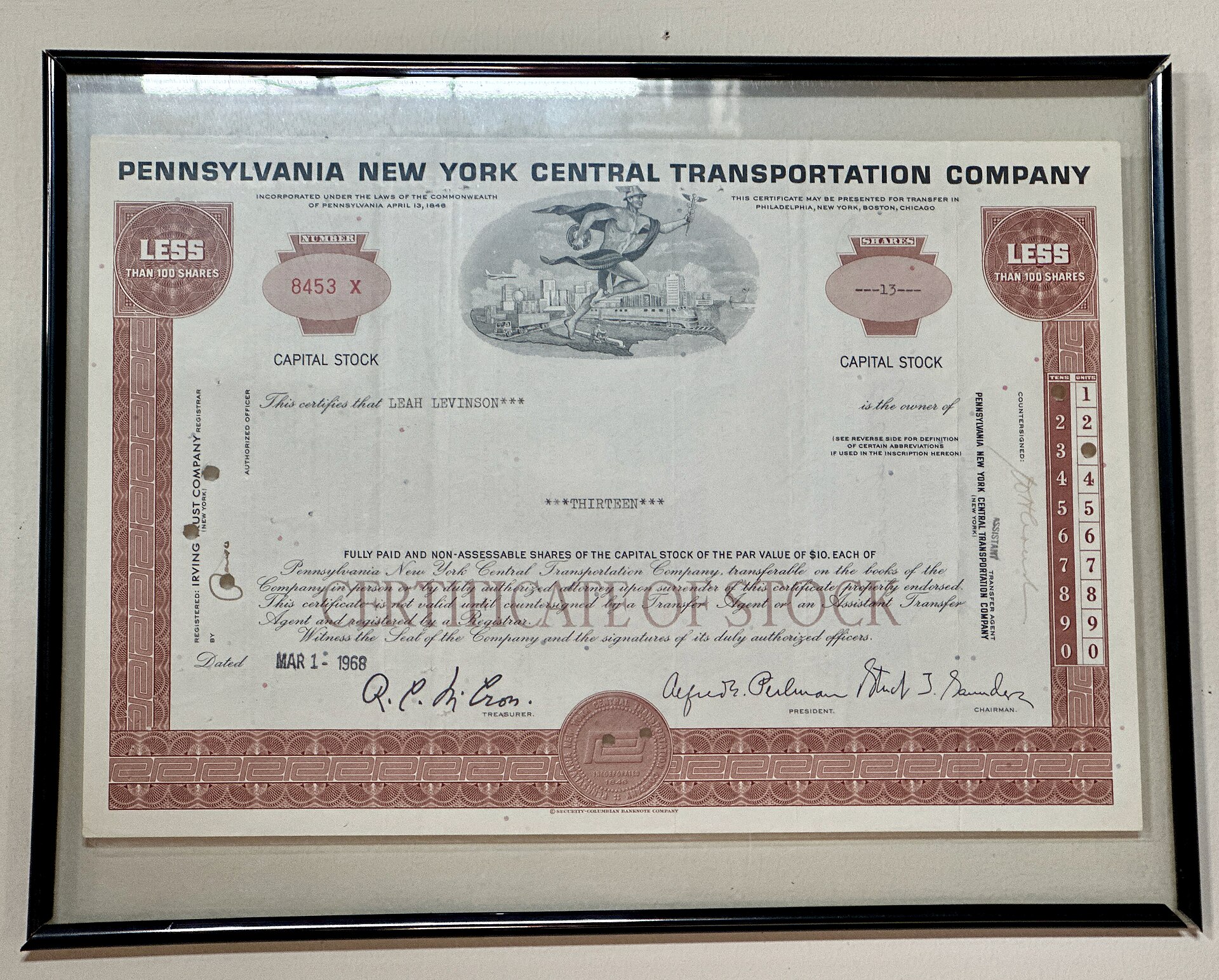

Stock market shares around the world took a sudden downturn this week. The big gains that investors saw on Monday disappeared very quickly as fresh worries hit the market. If you track your money or look at retirement funds, you likely saw these sharp drops happen in real time.
The main push behind this drop comes from new talk about trade tariffs and a cooling trend in tech investments. A massive rally led by top tech companies lost its momentum in just a few hours. Investors are now trying to figure out what these rapid changes mean for their everyday savings.
Wild price movements can make anyone feel nervous about their money. When prices go up fast and drop just as quickly, it is hard to know what steps to take next. Let us look at what happened in the markets, why these drops occurred, and how you can think about your own money today.
Why Did Stock Market Shares Drop So Quickly?
The recent rally in stock market shares hit a sudden wall of bad news. A major cause for the fall was new news about international tariffs proposed by Donald Trump. When leaders talk about adding taxes to goods coming into a country, companies get worried about extra costs. Higher costs mean lower profits, which often causes investors to sell off their stock market shares before prices fall even lower.
At the same time, the huge push into artificial intelligence stocks started to lose its energy. Tech giants had built up massive gains over the past few weeks, but investors decided it was time to cash out. When thousands of people sell their shares at the exact same moment, the whole market slips lower. You can learn more about how a Stock market functions when global events cause massive buy or sell orders across different exchanges.
This combined double hit hit global markets very hard. Exchanges in Europe, Asia, and the United States all felt the pain. It shows just how fast mood shifts can spread across the entire financial system when big news breaks.

How Do Trade Tariffs Impact Everyday Stocks?
Trade tariffs sound like something that only big shipping companies care about. But tariffs actually reach down to every single store shelf and factory floor. If a company has to pay higher taxes to bring parts across a border, it must spend more money to make its products.
Here is how that path works for typical businesses:
- Higher Costs: Companies spend more on basic parts, raw metal, and imported items.
- Smaller Profits: If a business cannot raise prices fast enough, it keeps less money as pure profit.
- Lower Stock Value: Shareholders pay less for stock market shares when a business earns less.
- Higher Shelf Prices: Everyday buyers end up paying more for goods at local stores.
When investors hear official talk about broad new tariffs, they do not wait around to see what happens. They act fast to move their cash out of risky shares and into safer places. That fast exit is what creates the big red numbers you see on financial news apps.
What Makes AI Stocks Move Up and Down So Fast?
Artificial intelligence has been the single biggest topic on Wall Street for months. Investors poured billions of dollars into companies that make special chips and run cloud networks. Some of these firms saw their market value jump by huge amounts in very short periods of time. But big rises often set the stage for big falls.
When a single sector gains so much value so quickly, it gets very crowded. Professional traders start watching for any small sign of trouble so they can sell and lock in their profits. A simple hint of slow growth or a shift in government policy can trigger a massive wave of selling. That is why AI stock market shares can gain heavily on Monday morning and give back every bit of those gains by Wednesday afternoon.
If your index funds hold a lot of big tech companies, you will feel these shifts directly. Tech stocks make up a massive percentage of major market indexes today. When tech stumbles, the whole index tends to fall right along with it.
Will I Lose Money in Wild Stock Market Swings?
Seeing your account balance drop during a wild morning on Wall Street is scary. But it helps to remember a basic rule of owning stock market shares: a drop on paper is not a loss in real life until you actually sell. If you hold ten shares of a business on Monday, you still own those exact same ten shares on Friday, no matter what price tag the market puts on them that day.
If you leave your money untouched, the market has time to recover. History shows that markets always go through periods of intense ups and downs. People who panic and sell their stock market shares during a sudden fall turn temporary paper losses into permanent real losses. They miss out on the eventual recovery that often follows a steep drop.
If you want to build strong financial habits that keep you steady during rocky market times, exploring Skills That Pay Well Online can help you create extra income streams so you do not rely solely on market swings.
What Should You Do With Your Money Right Now?
When news stories talk about the wildest morning since 2008, it is natural to want to do something immediately. But taking fast action based on fear is usually the worst choice you can make. Most personal finance experts offer simple advice for moments like this: take a deep breath and review your long term plan.
Here are three practical steps you can take today:
First, check your emergency savings. Make sure you have cash in a regular bank account that does not touch the market. Having three to six months of living expenses saved up gives you peace of mind when market shares tumble.
Second, look at your main investment timeline. Are you saving for a goal that is twenty years away, like retirement? If so, this week’s tariff news is just a tiny blip on a very long chart. You have plenty of time to wait out the storm. If you need your cash next month, that money should probably not be sitting in volatile shares anyway.
Third, keep up your regular investment routine. Many people use a method called dollar cost averaging. This means you buy a fixed dollar amount of market shares on a set schedule, like once every month. When prices are high, your money buys fewer shares. When prices drop, your money buys more shares on sale. Over time, this smooths out your average cost without requiring you to guess market trends.
How Do You Read Financial Headlines Without Panicking?
News outlets love to use dramatic language when describing stock market shares. Words like tumble, crash, plunge, and erase show up on front pages because they grab your attention. But a three percent drop, while big for a single afternoon, is completely normal in the bigger picture of global investing.
Try to focus on long term trends rather than hour by hour chart updates. Markets rise over long periods because businesses find ways to grow, create new products, and earn profits over time. Short term political announcements and tariff threats create temporary roadblocks, but businesses adjust their operations as rules become clear.
If headline news makes you feel anxious, turn off market alerts on your phone. Checking your account balance three times a day will not stop prices from shifting, but it will raise your stress levels. You can read up on basic market rules through this simple guide to stock market trading basics to gain a clearer view of how shares work.
Global markets will likely stay bumpy as news about trade tariffs, interest rates, and tech spending continues to develop over the coming weeks. Staying calm, sticking to your routine, and keeping your eyes on your long term goals is the best way to handle wild market swings.
Have recent market drops changed how you think about your personal savings plan this year?



[…] can change. It is very risky because the value can drop by half in a single week. Much like how Stock Market Shares Fall as Tariff Fears Erase Big Gains, crypto prices react to news and fear very […]