Bitcoin in Simple Words: What It Is and Why People Use It



Bitcoin is digital money that does not need a bank or a government to work. You can send it to anyone in the world as easily as sending an email. Most people find it confusing because you cannot hold it in your hand like a physical coin.
Think of Bitcoin as a shared record book that everyone can see but no one can fake. Instead of a bank keeping track of your balance, thousands of computers around the world do it together. If you want to know more about how digital money fits into the bigger picture, you can read about Cryptocurrency on Wikipedia. It is basically the first version of money that lives only on the internet.
What is Bitcoin in simple words?
Bitcoin is a way to pay for things online without using a middleman. When you buy a coffee with a credit card, the bank sits in the middle. They check if you have money, take a small fee, and then tell the shop it is okay. Bitcoin cuts that bank out of the deal.
It was started in 2009 by a person or group using the name Satoshi Nakamoto. Nobody knows who they really are. They wanted to create a system where people could trade value directly. Imagine if you and your friends had a notebook where you wrote down every time someone lent someone else five dollars. As long as everyone agrees the notebook is right, you do not need a teacher to watch over you. That is what this digital coin does on a global scale.
Today, one single Bitcoin is worth thousands of dollars. In the early days, a man famously bought two pizzas for 10,000 Bitcoins. If he had kept that money, it would be worth hundreds of millions today. This story shows how much the price can change. It is very risky because the value can drop by half in a single week. Much like how Stock Market Shares Fall as Tariff Fears Erase Big Gains, crypto prices react to news and fear very quickly.

How does the system stay honest?
The magic behind this money is something called the blockchain. You can think of this as a long chain of digital pages. Each page has a list of transactions on it. Once a page is full, it is locked and added to the chain forever. You can never change a page once it is locked.
Computers all over the planet run special software to check these pages. They make sure that if I send you one Bitcoin, I actually have one to give. They also make sure I do not try to spend that same coin twice. These computers are called miners. They do a lot of hard work and get paid in new Bitcoins for helping out.
This decentralized setup is what makes it special. If one computer breaks or gets hacked, the rest of the network still has the correct record. It is like having a secret code that is spread out across millions of people. No one person can turn it off or change the rules. This makes it very different from a bank that can freeze your account if they want to.
Why do people want to own it?
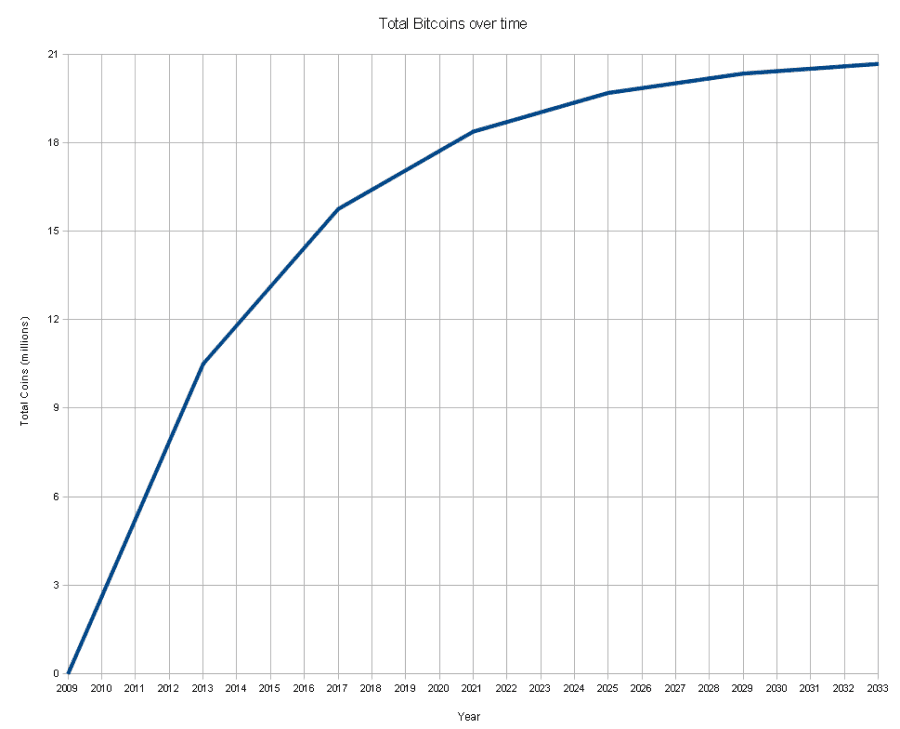
Many people buy it because they think the price will go up. They see it as digital gold. Real gold is valuable because there is only so much of it in the earth. Bitcoin is the same way. The code says there will only ever be 21 million Bitcoins created. This limit is very important.
Governments can print more paper money whenever they want. When they print too much, the money in your pocket buys less than it used to. This is called inflation. Since no one can print more Bitcoin, some people feel it is a safer place to keep their savings for a long time. They hope it will hold its value better than a dollar or a euro.
Others use it because it is fast for sending money across borders. If you want to send money to a friend in another country, banks can take days and charge big fees. With this digital coin, it takes about ten minutes. It does not matter if it is a Sunday or a holiday. The internet never sleeps, and neither does this network. You can learn more about Bitcoin in simple words to see why it changed how we think about moving value.
Is it safe to use?
Safety is a big topic when you talk about digital assets. The network itself has never been hacked because it is too big and strong. However, individual people get hacked all the time. This usually happens because they lose their passwords or get tricked by a scammer.
When you use a bank, you can call them if you lose your card. They can cancel it and send you a new one. With Bitcoin, there is no customer service number. If you lose the digital keys to your wallet, your money is gone forever. There is no “forgot password” button. This is a huge responsibility that many beginners are not ready for.
You also have to worry about the price. It is not like the money in your savings account. One day you might have $1,000 worth of Bitcoin, and the next day it might be worth $700. This is why you should never put in more money than you can afford to lose. It is a wild ride, and it is definitely not for everyone.
How do you actually get some?
Most people get their first bit of crypto through an exchange. An exchange is like a website where you swap your regular money for digital coins. You link your bank account, send some dollars, and click a button to buy. It is very similar to using an app to buy stocks.
Once you buy it, you have to decide where to keep it. You can leave it on the exchange, but that can be risky if the exchange goes out of business. Many people move their coins to a private wallet. This is a piece of software or a small device that holds your digital keys. Keeping your own keys means you are the only person in control of your money.
Remember that every time you move Bitcoin, you have to pay a small fee. This fee goes to the miners who keep the network running. When the network is busy, these fees can get quite high. I once tried to send ten dollars to a friend, and the fee was five dollars. I decided to wait until the network was less busy. It pays to be patient.
The different parts of a transaction
When you want to receive money, you give someone your Bitcoin address. This looks like a long string of random letters and numbers. It is like an email address but for money. It is perfectly safe to share this address with anyone. They can send you money, but they cannot take anything out.
To send money, you need your private key. Think of this as your secret signature. You should never, ever show this to anyone. If someone gets your private key, they can take all your money in seconds. Most modern wallet apps hide this key behind a 12-word or 24-word phrase. You must write these words down on paper and hide them somewhere safe.
Every transaction is public. Anyone can go to a website and see that Address A sent money to Address B. They just do not know that Address A belongs to you. It is private but not totally secret. This helps keep the system honest because everyone can verify that the money is moving where it should.
Common mistakes beginners make
The biggest mistake is panic. When the price starts to drop, many people get scared and sell everything. This is usually when they lose the most money. Professional investors often say that time in the market is better than trying to time the market. If you believe in the tech, you have to be ready for some bad days.
Another mistake is sending money to the wrong address. If you mistype even one letter in a Bitcoin address, the money will likely be lost in space. It will not go to the person you wanted, and you can never get it back. Always copy and paste addresses. Never try to type them out by hand. I always send a tiny “test” amount first to make sure it arrives before I send a large amount.
Lastly, stay away from anyone promising to double your money. There are many people on social media who claim they have a secret bot or a special trick to make you rich. These are always scams. Bitcoin is a tool, not a magic trick. If it sounds too good to be true, it definitely is. Treat your digital coins like real cash and be just as careful with them.
Does the idea of being your own bank sound exciting or scary to you? It is a bit of both for most people. The best way to start is by reading and learning as much as you can before spending a single cent. It is a new world, and there is no rush to join in until you feel ready.




[…] how people talk about digital money too. Some folks look for safety in new ways. You can read about Bitcoin in Simple Words: What It Is and Why People Use It to see how some people try to find value outside of regular banks. But for a county, regular banks […]