Crypto Words Every Beginner Should Know



Crypto words sound like a totally different language when you first hear them. People on the internet talk about HODL, gas fees, and whales like everyone knows what they mean. You do not need a computer degree to understand these terms.
This cheat sheet breaks down the most common crypto words into plain English. You will learn what people mean when they talk about coins, tech, and market mood. By the end, you can read crypto news without feeling lost.
Basic Words for Digital Money
Let us start with the core terms you see every day. A cryptocurrency is simply digital money that lives on a network of computers instead of inside one bank. If you want to read more about the history, check out the Cryptocurrency page on Wikipedia.
Next up is the word coin. A coin usually has its own network. Bitcoin is a famous example. A token, on the other hand, is built on top of a network that already exists. Think of a coin like a main street, while a token is a shop built on that street. They both work like digital assets, but their tech setups are different.
You will also hear the word fiat. Fiat is just normal money issued by a government. The US Dollar, the Euro, and the Japanese Yen are all fiat money. When you exchange your cash for digital coins, you move your money from fiat to crypto.
What about keeping that money safe? You put your funds in a crypto wallet. A wallet does not actually store physical coins inside your phone. Instead, it holds secret keys that prove you own your coins on the network. Losing those keys means losing your money, so people guard them carefully.

Words About the Tech
The tech side of crypto has its own set of words. The main tech is called a blockchain. You can think of a blockchain like a public ledger book. Every single trade is written down in a chain of blocks, and thousands of computers keep a copy of that same book.
When you send digital coins to a friend, your trade needs to get approved. The computers on the network check your account balance to make sure you have enough money. Once they agree everything looks right, they add your trade to the ledger. This check process keeps people from spending the same digital dollar twice.
Using these networks costs money. Every trade needs work from computers around the world. To pay for that work, you pay a small fee. On some networks, people call this a gas fee. If the network is very busy, gas fees can go up fast. Imagine trying to call a car ride during a rainstorm when prices jump. Network fees work the exact same way.
Smart contracts are another big piece of tech. A smart contract is just a computer program that runs on a network by itself. It follows simple rules: if person A sends money, then release the digital item to person B. No middleman or lawyer needs to sit in the room to make sure both sides stick to the deal. To learn about keeping your online life organized outside of digital cash, read How well do I know my own farm animals? Pt 1 for a fun look at tracking things day to day.
Words About Buying and Selling
Trading crypto comes with a whole new set of market terms. An exchange is an online marketplace where you trade fiat money for digital coins. Some exchanges act like traditional stock brokers, taking care of your funds for you. Other platforms let users trade directly with each other without any main company running the show.
When you trade, you will run into liquidity. High liquidity means there are plenty of buyers and sellers ready to trade right now. You can sell your coins in a few seconds without changing the price much. Low liquidity means very few people are trading. If you try to sell a lot of coins on a low liquidity market, the price might crash while your order goes through.
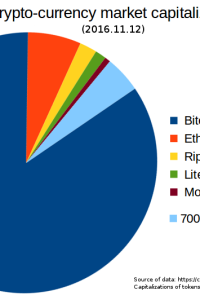
Market cap is another term you will see near the top of coin price charts. Market cap stands for market capitalization. You find it by taking the price of one coin and multiplying it by the total number of coins in circulation. A coin might cost just one penny, but if there are trillions of those coins, its market cap is huge.
People also track market mood using animal words. A bull market means prices are going up and people feel happy about buying. A bear market means prices are dropping and people feel scared. Markets move in cycles, shifting back and forth between bull runs and bear markets over long periods of time.
Slang and Internet Words
Crypto communities on Reddit and X use tons of slang. HODL is the most famous word in the space. It started years ago as a typo for the word hold in a forum post. Now it stands for Hold On for Dear Life. It means keeping your coins even when the market crashes wildly.
FOMO is another popular word. It stands for Fear Of Missing Out. You feel FOMO when you see a coin price jump 50 percent in one afternoon. You get the urge to buy quickly because you worry everyone else is getting rich without you. Buying out of FOMO often leads to mistakes because you buy right when prices hit their peak.
FUD stands for Fear, Uncertainty, and Doubt. People use this word when negative news or bad rumors spread about a project. Sometimes FUD comes from real risks, like a company going broke. Other times, people spread fake news on purpose to make prices drop so they can buy coins cheaper.
Whales are traders who own massive amounts of digital money. A single whale can buy or sell millions of dollars worth of coins in one trade. Because their trades are so large, whales can push coin prices up or down all by themselves. Small traders watch whale moves closely to see where the market might head next.
You might also hear people talk about a rug pull. A rug pull is a specific scam where creators start a new project, take money from buyers, and then run away with the cash. Understanding these terms helps you spot bad projects before you risk your hard-earned money. For simple tips on staying safe with online money tools, check out adshem.in for straightforward guides.
What is ATH and Why Does It Matter?
ATH stands for All-Time High. This is the highest price a specific coin has ever reached in its entire history. When Bitcoin hits a new ATH, news outlets talk about it, social media gets loud, and new buyers show up. It shows that demand for that asset reached a level never seen before.
Looking at an ATH gives you helpful context. If a coin trades at ten dollars today, but its ATH was one hundred dollars two years ago, you know it fell 90 percent from its top. That gap tells you the market used to value the coin much higher, but it also shows the coin lost a lot of ground.
Never assume a coin will reach its old ATH again. Some coins drop after a market crash and never recover, even if the rest of the market rallies. Use ATH as one small datapoint, not as a promise of future gains.
What is a Whitepaper?
A whitepaper is a written document that explains how a crypto project works. When someone launches a new coin, they publish a whitepaper to outline the problem they want to fix, the tech they built, and their plan for the future. The original Bitcoin whitepaper was published in 2008 and was only nine pages long.
Reading a whitepaper helps you figure out if a project is real or just hot air. A good whitepaper uses clear logic, explains risks, and breaks down how coins get distributed. A bad whitepaper uses flashy buzzwords, promises huge profits, and avoids technical details.
You do not need to understand every bit of code inside a whitepaper. Focus on the main idea. Ask yourself: does this project fix a real problem, or is it just trying to ride a trend?
How to Use These Words safely
Learning crypto slang is fun, but do not let internet hype guide your real money choices. People online often use big words to make weak projects sound smart. If you cannot explain how a coin works in simple sentences, you probably should not trade it yet.
Take your time as you learn. Bookmark a few reliable word guides, track real projects on price tracking sites, and listen to how experienced users speak. Spotting scams gets much easier once you know the language.
Which crypto word confused you the most when you started reading about digital coins?
CONTENT:




[…] cushion. If you are learning the ropes of digital tokens alongside regular cash, check out these Crypto Words Every Beginner Should Know to stay ahead of the […]