How Crypto Exchanges Work to Buy and Sell Digital Money


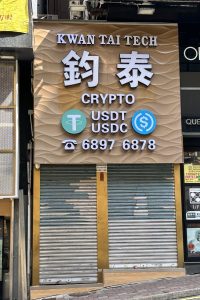

Crypto exchanges are online markets where you trade cash for digital coins like Bitcoin. You create an account, put in some regular money, and swap it for crypto with a few clicks on your phone. It feels just like using a banking app, but the rules behind it are different.
At its core, a crypto exchange acts as a middleman between buyers and sellers. When you want to buy, the website matches you with someone who wants to sell at that exact price. The platform handles the trade, takes a small fee, and puts the new digital money right into your balance.
Every day, millions of people use these websites to swap billions of dollars. But before you send any of your own money to one, you should know how they match your orders, where your cash actually goes, and why keeping money on an exchange carries real risks.
What Is a Crypto Exchange and Why Do You Need One?
If you want to buy digital cash, you cannot just walk into a normal street bank. Regular bank accounts only handle government money like US dollars, euros, or pounds. A crypto exchange bridges that gap so you can turn your physical cash into digital coins.
Think of it like an airport currency booth. You walk up with US dollars and walk away with Japanese yen. A crypto platform does the exact same thing, but it operates entirely online and runs 24 hours a day. You can read more about how cryptocurrency works on Wikipedia to see how these coins exist online without any paper bills.
You need one because finding a private seller on your own is hard and unsafe. Imagine trying to buy five hundred dollars of digital coins from a stranger on the street. You might send them your cash, and they could just walk away. The exchange makes sure both sides get what they paid for at the exact same time.

The Two Main Types of Crypto Exchanges
Not all exchanges work the same way. The market is split into two big styles: centralized platforms and decentralized platforms. Most beginners start with a centralized one because it feels familiar and easy to use.
Centralized exchanges are run by private companies. Coinbase and Binance are two big names you might hear about. When you open an account here, you send your money to the company. They hold onto your funds, safeguard your password, and provide customer support if you get stuck. It feels like using a online bank account, but you have to trust that the company stays honest and safe.
Decentralized exchanges are completely different. There is no company, no help desk, and no central bank building. Instead, computer programs run the market on their own. You connect your personal wallet directly to the site and swap coins with other users. It gives you full control, but if you make a mistake or lose your password, nobody can help you get your money back.
Step by Step: How You Buy Your First Coin
Buying your first bit of digital cash is simple, but you must follow a clear set of steps. Most people finish the whole setup in about twenty minutes on a smartphone or computer.
First, you sign up with your email and create a strong password. Next, the company asks to see your government ID, like a driver’s license. They do this because laws force them to check who is using their service to stop money crimes. After your ID gets checked, you link your regular bank account or credit card.
Once your account has cash, you place an order. If you want to build up extra savings on your phone first, you can read our guide on How to Earn Money With Phone Only Jobs. After your cash is inside the app, you just type in how much you want to spend and hit the buy button. The app does the rest of the math for you.
How Order Books Match Buyers and Sellers
When you click buy, money does not just appear out of nowhere. The platform uses a system called an order book to match your request with a matching seller somewhere else in the world.
An order book is simply two long lists. On one side, you have people who want to buy, along with the highest price they will pay. On the other side, you have people who want to sell, along with the lowest price they will accept. When a buyer price and a seller price meet, the computer completes the trade in less than a second.
You usually get to pick between two main order types when you make a trade:
- Market Order: This means buy right now at the best current price available. It happens instantly, but the price might change by a few cents while you tap the screen.
- Limit Order: This lets you set an exact price. You say, I only want to buy if the price drops to twenty thousand dollars. Your order sits on the list until someone agrees to sell to you at that exact cost.
This constant matching process is what sets the price of digital coins every second of the day. If more people want to buy than sell, the prices on the order book move up. If everyone wants to sell at once, the prices slide down quickly.
How These Websites Make Money
Crypto platforms do not offer their trading services for free. They take small cuts along the way, and these small fees can add up fast if you trade often.
The main way they earn is through trading fees. Every time you buy or sell a coin, the platform takes a small percentage of the total amount. This fee is often around 0.1% to 0.5% of your trade value. If you swap one hundred dollars, the platform might keep fifty cents for doing the work.
They also charge deposit and withdrawal fees. While moving money from a bank account is often free, using a debit card can cost you 3% or more in extra fees. When you move your coins off the website into a private app, you also pay a small fee to cover the network transfer cost. Check out our crypto market overview to learn more about how fees affect your total spending.
The Risks of Leaving Cash on an Exchange
The biggest mistake beginners make is keeping all their money on an exchange for months or years. An exchange account is not a safe bank vault, and it does not have government deposit insurance.
When your money sits on a centralized exchange, the company holds the private security keys to that money. You only have a username and password to log in. If the exchange goes bankrupt, gets hacked, or freezes accounts, you could lose access to everything you put in. History shows that even huge, famous platforms can fail quickly when market troubles hit.
Smart users keep only small amounts on exchanges when they plan to trade. If you want to hold coins for a long time, it is safer to move them into a private hardware wallet where only you hold the keys. That way, even if the exchange closes its doors forever, your digital cash stays safe in your hands.
Are you planning to buy digital cash soon, or will you just watch the market for a while longer?




[…] thousands of coins flood the market at once, the price naturally drops. You can learn more about How Crypto Exchanges Work to Buy and Sell Digital Money to see how these big trades change daily […]