Stock Market Shares Slip as Tech Big Names Drop After Anthropic IPO


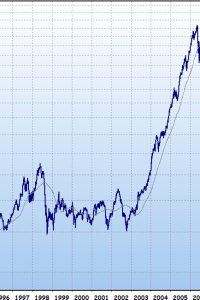

Stock market shares in top tech companies ended the week on a down note even after Anthropic completed a massive public listing. Big software and hardware names took a hit as investors pulled back their cash. It was a rocky end to a busy week for anyone watching the market.
Many people thought a huge new listing would boost the whole market. Instead, money managers sold off existing pieces of major firms. If you hold index funds or tech stocks in your account, you likely saw your balance drop a bit before the weekend started.
Why Big Tech Shares Dropped This Week
The main reason stock market shares fell comes down to shifting focus. Anthropic had a massive initial public offering, often called an IPO. An IPO happens when a private business sells its first stock market shares to everyday buyers and big funds. You can learn more about how a share in a company works to see why these events draw so much attention.
When a huge fresh firm hits the market, big funds often sell off older stocks to free up cash. They want to buy the new asset without adding extra risk to their total pot. That selling pressure pulled down existing software giants.
Traders also took gains off the table after a long run of high prices. When prices stay high for months, even small changes make people want to lock in their cash. A single bad day can start a chain reaction across the board.
What the Anthropic Debut Means for Investors
Even though the broader market dipped, the new listing shows that interest in artificial intelligence is still very strong. Millions of dollars moved into the new stock on its very first day of trading. That proves people still want a piece of top tech names.
However, the rest of the market did not get the boost many expected. Older tech stocks dropped even as the new entry saw huge demand. It shows that money is not infinite, even for the biggest market players.
If a fund manager wants to spend fifty million dollars on a new company, that money has to come from somewhere. Usually, they sell older shares to pay for the new ones. That shift creates a temporary drop for established names.
How Fast Trading Shapes Modern Share Prices
Modern markets do not move like they used to twenty years ago. Automated systems buy and sell stock market shares in tiny fractions of a second. When these systems see selling start in one area, they often trigger more sales automatically.
This automated flow can turn a small drop into a sharp fall very quickly. You can read about the Finance Economy Impact of High Frequency Stock Trading to see how computer algorithms change daily price moves. These tools make the ups and downs feel much faster for regular people.
For example, if a main index drops by just one percent, automated software might dump thousands of extra shares to protect profits. That extra selling drives the price down even lower before human traders can even react.
Should You Worry When Markets Swing?
It is totally normal to feel nervous when you see red numbers on your screen. Nobody likes watching their retirement account or personal portfolio lose value over a few days. But short drops happen all the time in the financial world.
History shows us that prices move in waves. A bad week does not mean the whole economy is falling apart. It often just means the market is taking a breath after rising quickly.
If you are investing for ten or twenty years down the road, daily moves do not matter as much. Trying to guess every dip usually leads to buying high and selling low. Staying steady is often the smartest choice for regular folks.
What Signs Are Experts Watching Next?
Wall Street pros are looking at several key markers to see where prices go from here. First, they want to see if big tech buyers come back next week to grab discounted stock market shares. A quick bounce back would show that buyers are still confident.
Second, traders are watching interest rates and general news about global business. High interest rates make it more expensive for companies to grow, which can cap how high prices go. Any change in those rates can move the whole market fast.
Finally, experts are keeping a close eye on retail buyers. If regular people panic and sell, it can drag prices down for longer. But if they see the drop as a discount sale, prices often find a floor quickly.
How to Manage Your Stock Market Shares Today
When markets get bumpy, having a clear plan keeps you from making emotional choices with your money. You do not need to check your account balance three times a day. In fact, checking it too often usually just creates unnecessary stress.
A good step is to make sure your investments are spread out across different areas. If you put all your money into tech, days like this hurt a lot more. Holding a mix of different industries helps cushion the blow when one area dips.
You can also check out this guide to basic stock market tools to learn more about setting up a safe long-term plan. Understanding the basics makes it much easier to stay calm when prices slide.
Did this week’s drop change how you look at your own account, or are you holding tight for the long haul?
Smart Ways to Handle Future IPO Headlines
Big news like a massive public listing always makes waves, but you can prepare your cash before the next huge company hits the market. Planning ahead helps you stay relaxed when sudden moves happen.
Here are three simple habits to keep your money safe during big market changes:
- Set up automatic regular payments so you buy at different price points over time.
- Keep some extra cash ready if you want to buy your favorite names at lower prices.
- Avoid chasing every hot new firm on its very first morning of open trading.
Focusing on the Big Picture Ahead
Focusing on long goals helps you look past short headlines. Companies will keep earning money, launching new products, and growing over the coming years regardless of weekly dips.
When you keep your eye on the future, a rocky day becomes just a tiny bump on a long road. Smart investors stay steady, trust their simple setup, and let time do the heavy work.




[…] and platform changes. Changes in tech markets can change how ads pay creators, just like how Stock Market Shares Slip as Tech Big Names Drop After Anthropic IPO when big platforms shift their business plans. Build a direct connection with your audience so you […]