Why Crypto Prices Go Up and Down: A Simple Guide




Crypto prices move fast, and watching them can feel like sitting on a wild roller coaster. One day a coin is up ten percent, and the next morning it drops right back down. If you want to know why crypto prices go up and down, the answer starts with a basic rule: prices change whenever people buy or sell.
When more people want to buy a coin than sell it, the price goes up. When more people want to sell, the price falls. It sounds simple, but many different things push buyers and sellers to act every single minute. Learning how these forces work helps you understand the market without getting swept up in the panic.
Buyers and Sellers Set the Price
Think of a crypto market like a local farmers market for apples. If twenty people line up to buy the last basket of apples, the seller can raise the price. People will pay more because they really want those apples before they run out. Crypto works the exact same way on big digital exchanges.
Trade happens when a buyer and a seller agree on a cost. If news comes out that makes a coin look useful, thousands of people rush to buy it. They bid against each other, pushing the cost higher. But if people lose interest, sellers must lower their cost to find anyone willing to buy. That constant tug-of-war is why crypto prices go up and down every day.
Unlike regular stock markets, crypto markets never close. They run 24 hours a day, seven days a week, all over the world. A major event in Japan or Europe can change trades while you sleep in America. That non-stop action makes price shifts happen much faster than in traditional money markets.
Supply and Demand Play a Huge Role
The total number of coins available matters just as much as how many people want them. This idea is called supply and demand. If a coin has a fixed limit, every new buyer creates strong upward pressure on the value. Supply stays small while demand grows, so the price rises.
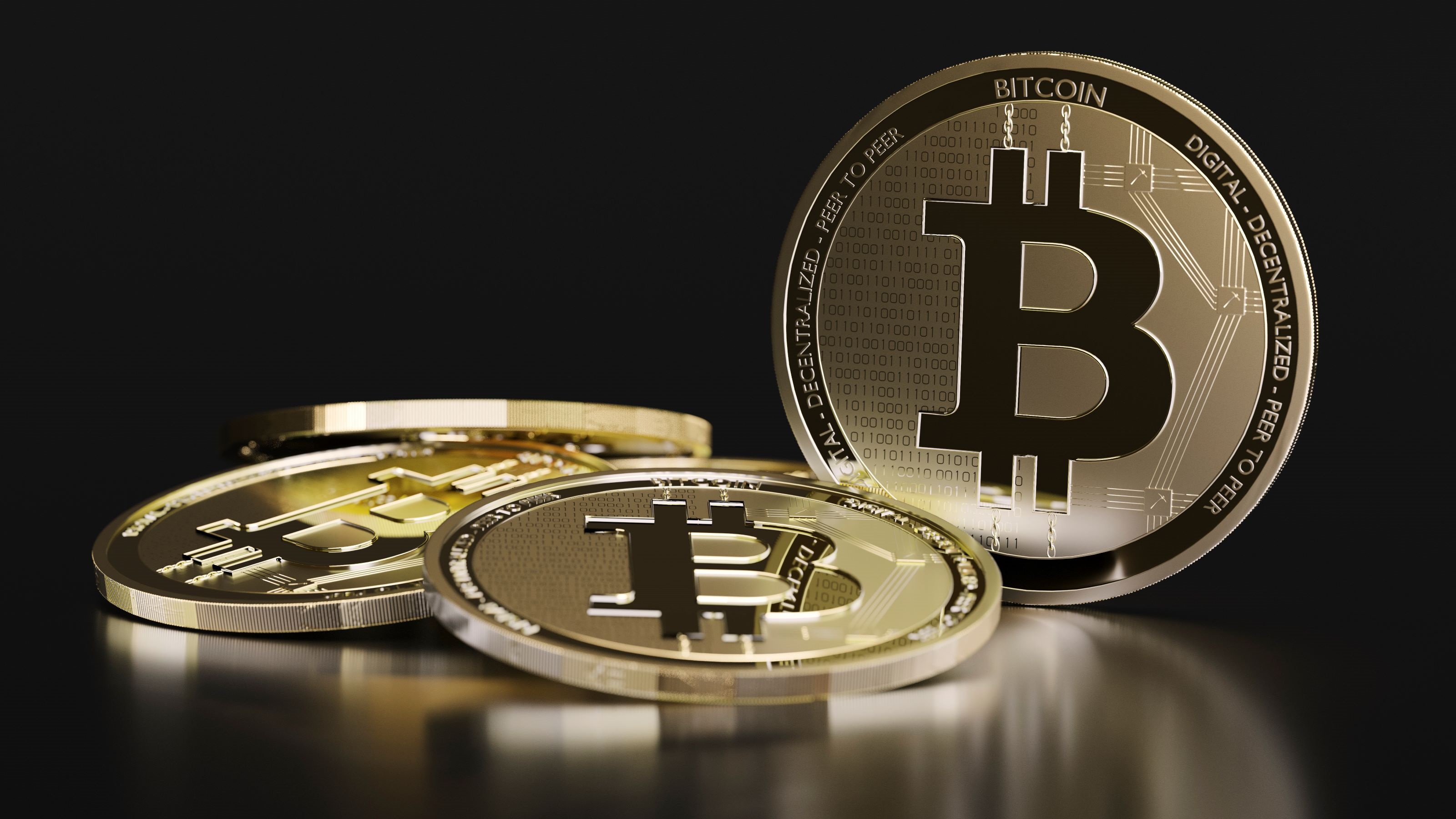
Bitcoin is a famous example of fixed supply. Only 21 million Bitcoins will ever exist in total. Because no one can print more of them, growing interest pushes the price up over long periods. Other digital coins print millions of new tokens every month. When supply grows too fast without extra demand, the value of each coin usually drops.
You can learn more about how digital assets work by reading about Cryptocurrency history and design. Some coins even destroy a small part of their total supply on purpose to make remaining tokens rarer. Knowing how many coins exist gives you a huge clue about where the price might head next.
News and Social Media Shift Market Moods
Fear and excitement move crypto faster than almost anything else. A single post online from a famous billionaire or a big government announcement can send prices flying up or crashing down in minutes. Traders call this market sentiment, which just means how people feel about the future.
Good news acts like fuel for buyers. When a major company announces it will accept a coin for payments, people jump in to buy early. The price jumps because everyone expects other buyers to follow. But bad news spreads just as quickly across social media apps.
When a government threatens to ban digital coins or add new taxes, panic sets in. Owners rush to sell their holdings to save their money, causing a sharp drop. If you ever feel stressed watching markets move fast, taking a break to Watch These Cute Baby Animals Grow Up Right Before Your Eyes is a great way to clear your head before making any choices.
Big Investors Move Huge Amounts of Money
In the crypto world, people call very wealthy investors or large funds whales. A whale is someone who holds thousands of coins in a single wallet. Because their balances are so massive, their trade choices impact everyone else on the market.
Imagine a pool with a hundred people swimming in it. If a giant whale jumps into the center, water splashes everywhere and waves hit every wall. That is what happens when a massive holder decides to cash out millions of dollars at once. The market suddenly gets flooded with coins for sale, pulling the price down quickly.
On the flip side, when big institutional funds buy up large amounts of coins, they take those tokens off the open market. That leaves fewer coins for everyday trade, pushing prices higher. Watching what large wallets do is a common habit for serious traders who want to stay safe.
Changes in the World Economy Matter Too
Crypto does not live in a bubble by itself. It connects deeply with global banks, interest rates, and general money trends. When interest rates rise at regular banks, people can earn safe interest on cash. That makes risky assets like crypto less attractive to everyday savers.
Inflation also changes how people spend their cash. When gas and food get expensive, family budgets get tight. People have less extra money to put into digital trade. When times are tough, many folks sell off their risky items first so they have plain cash ready for bills.
During moments when main national currencies lose value quickly, some citizens look to alternative digital coins to protect their savings. These global shifts take time to build up, but they create long trends that last for months or years. You can check market trends and crypto safety guides to get a wider view of how global finance touches daily trade.
How New Laws and Rules Change Things
Governments across the world are still trying to figure out how to handle digital coins. Every time a major nation proposes a new law, prices react instantly. Clear rules can help a market grow, while strict bans usually hurt confidence.
If a country makes trade easy and clear, big companies feel safe moving in. They spend real money building new tools and services, which attracts fresh users. That steady growth generally brings positive price movement over time.
Uncertainty is the real enemy of stable prices. When traders do not know what legal rules will look like next month, they get nervous. Nervous traders tend to hold cash instead of buying coins. That lack of clear rules keeps prices bouncing around as lawmakers debate back and forth.
Why Crypto Is More Volatile Than Stocks
You might wonder why crypto moves so much faster than traditional stocks like Apple or Nike. One main reason is that crypto markets are still very small compared to old stock markets. It takes far less money to move a smaller market up or down.
Another reason is the lack of traditional ways to measure value. With a company, investors look at quarterly sales, physical stores, and employee counts to set a fair price. Most digital coins do not have physical stores or corporate reports. Their price relies almost entirely on what people think the coin will be worth in the future.
Without clear business reports to anchor expectations, prices swing wild on pure emotion. That swing is called volatility. It creates fast chances to gain, but it brings huge chances to lose money just as quickly. Staying smart means never spending money you need for rent or food.
How to Stay Calm When Prices Bounce
Watching your account balance rise and fall every hour brings heavy emotional stress. Many beginners make big mistakes by buying when prices are peak high out of excitement, then selling at the bottom out of sheer panic. Breaking that cycle takes patience and a plan.
First, set clear boundaries for yourself. Decide ahead of time how much money you can safely leave alone for a long time. Never trade with cash you need next week. Having a strong cash safety net in a normal bank keeps you calm when digital charts turn red.
Second, stop checking prices every five minutes. Daily swings do not matter much if you are thinking about years instead of hours. Taking a step back helps you see the bigger picture clearly. Focus on learning how the tools work rather than stressing over every small price drop.
Understanding why crypto prices go up and down puts you in control of your own choices. Prices will keep moving fast as long as new technology develops and new traders enter the market. The best move you can make today is to keep learning, take slow steps, and keep your personal money safe.




[…] profits every single day. Before you put cash into any digital token scheme, read this guide on Why Crypto Prices Go Up and Down: A Simple Guide so you can understand real market swings. Scammers invent fake growth numbers on an app screen, but […]